Scroll left
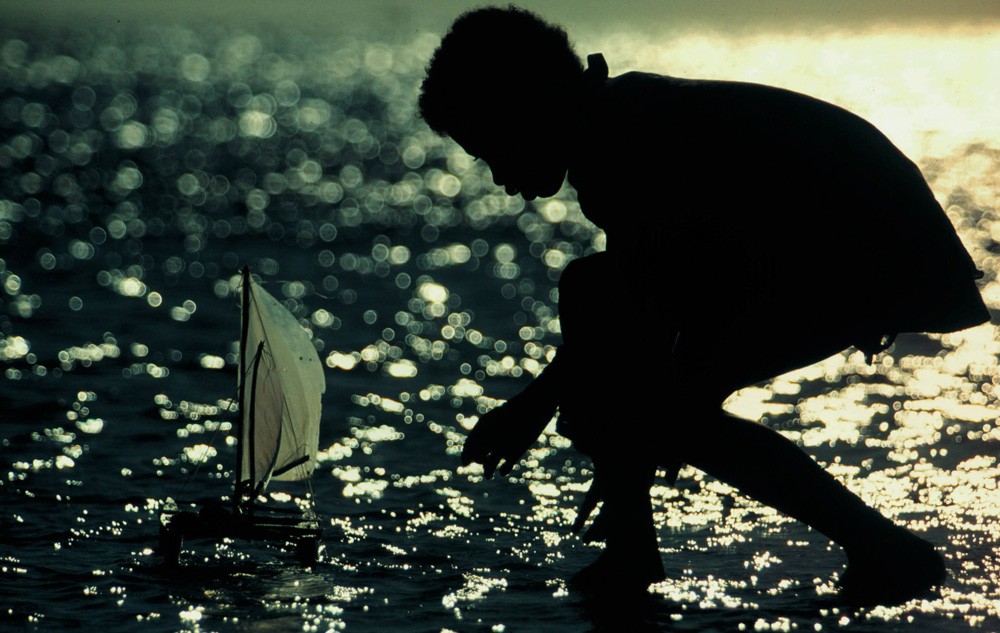
  • A child plays with a model pirogue, a replica of what his father uses for fishing on the SW coast of Madagascar 1996. width:1000;;height:633
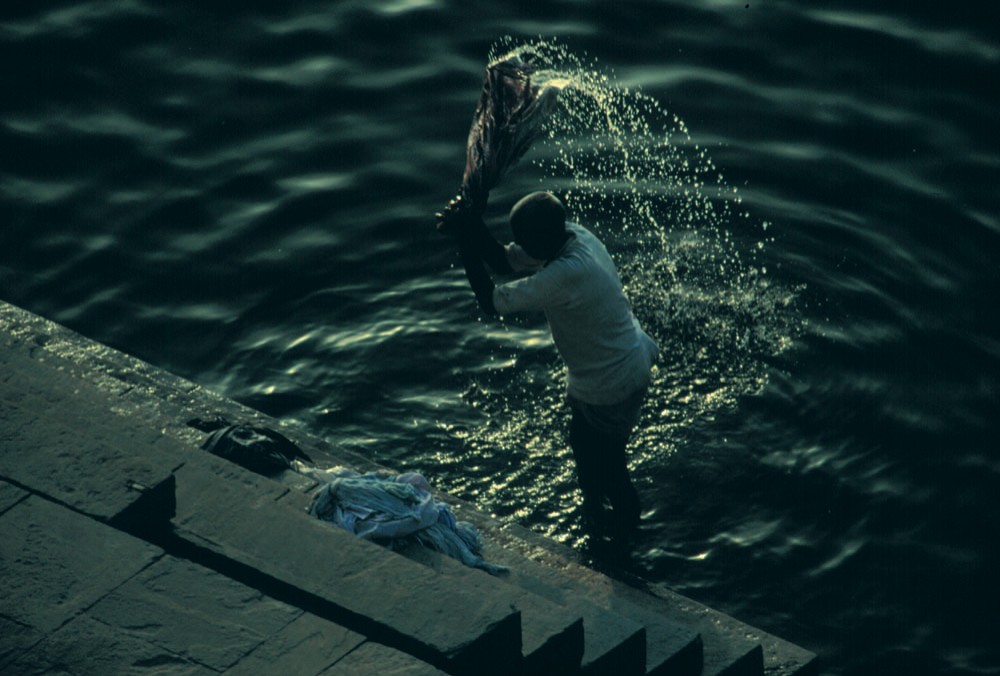
  • A man washes clothes in the Ganges river, Varanasi, India 1997. width:1000;;height:676
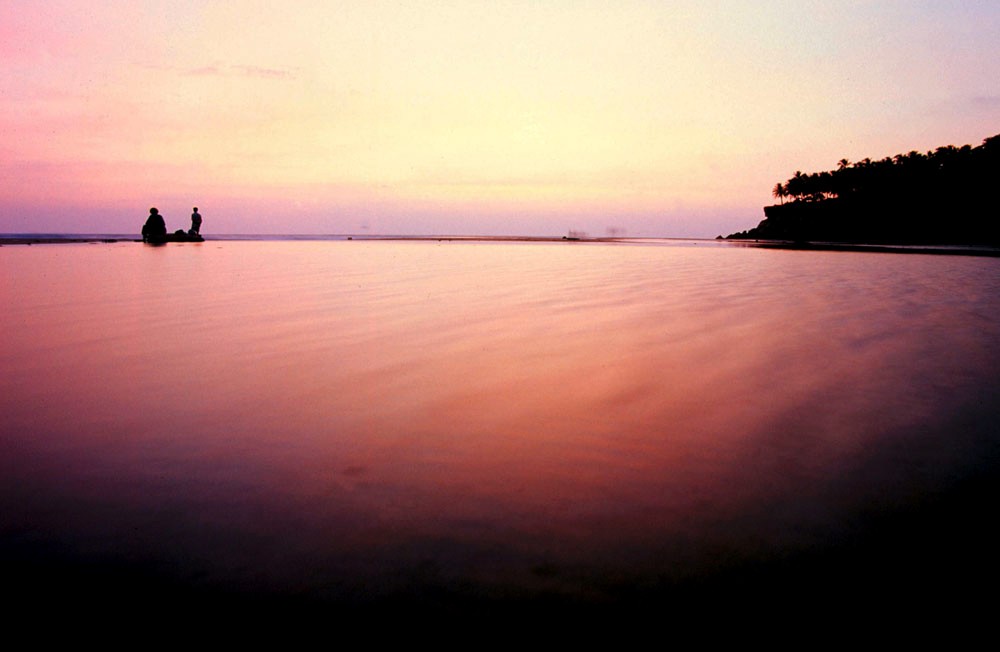
  • A couple sit on a beach at Sunset, Varkala, India 1997. width:1000;;height:652
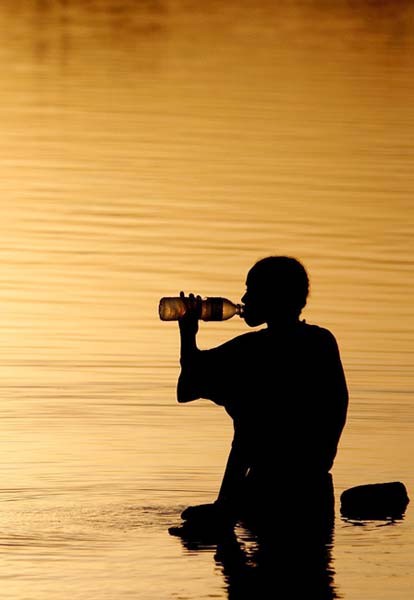
  • A Sudanese girl drinks water she collected from the river Nile whilst sitting on a rock at sunset in the Nile river in Khartoum, Sudan Sunday 10 October 2004. There are an estimated 4 million internally displaced persons (IDP) in Sudan, with almost half of those living in official camp and squatter areas in greater Khartoum. IDP's make up to 40% of Khartoum's total population.  Sudan, the largest country in Africa, is one of the least developed areas in the world. width:414;;height:600
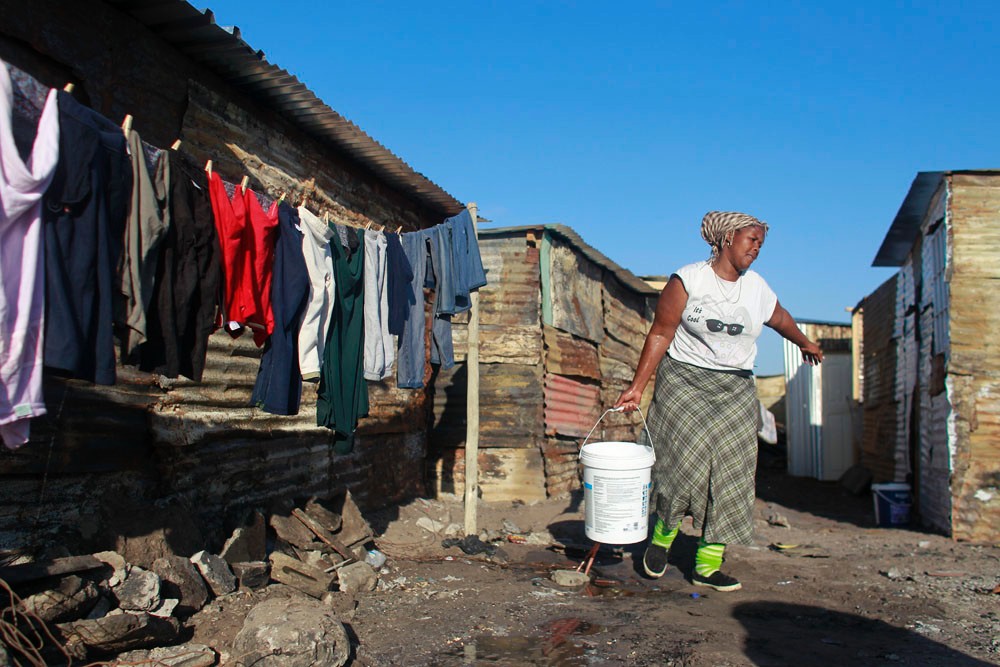
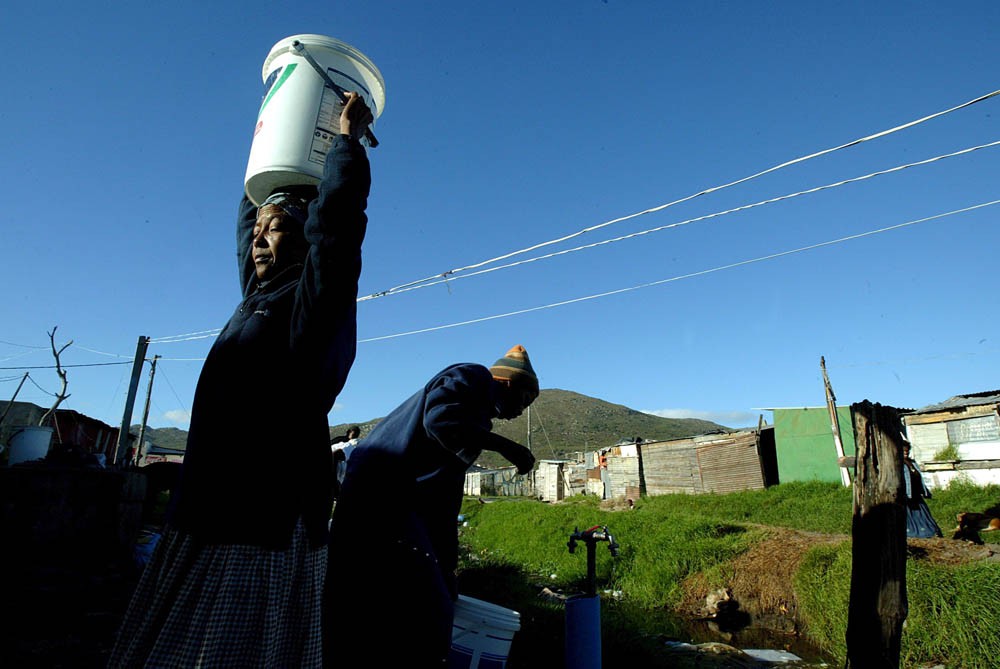
  • A South African woman carries water after washing clothes outside her shack  in Masiphumelele, an informal shack settlement in Cape Town, South Africa, on 16 May 2011. Housing and service delivery to poor areas are the major issues facing the ruling African National Congress (ANC) and its opposition parties as South Africans head to the polls 18 May 2011 to cast their ballots in the local government elections.  The ANC is expected to loose ground on oppostion parties in these elections seen as a barometer to the changing political landscape in Africas most successful democracy. width:1000;;height:667
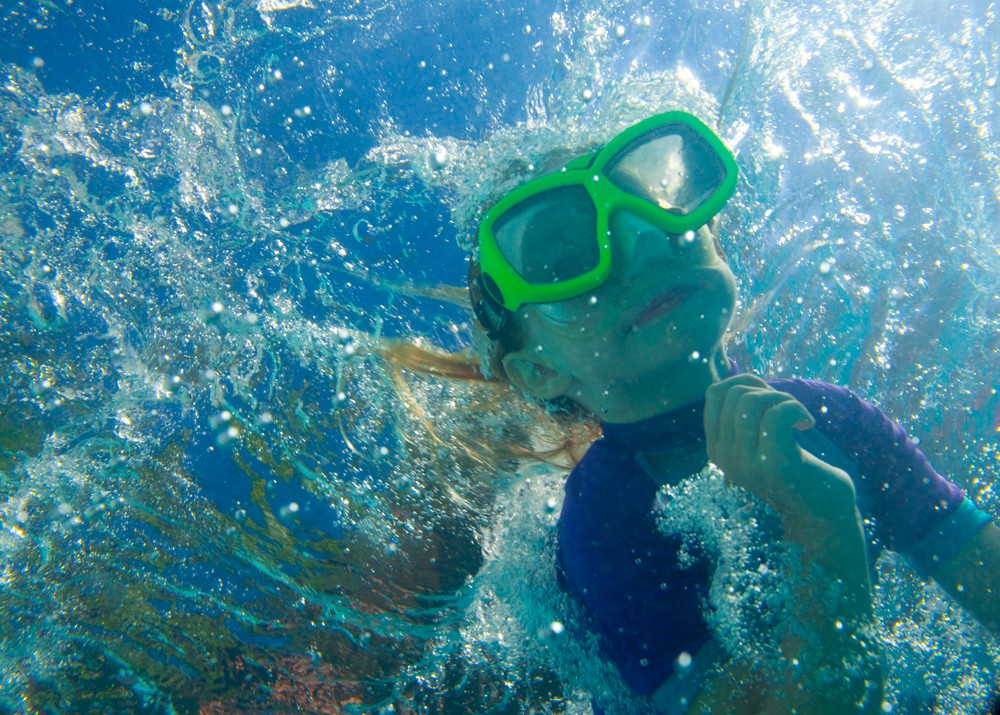
  • A child swims in Cape Town 2008. width:1000;;height:715
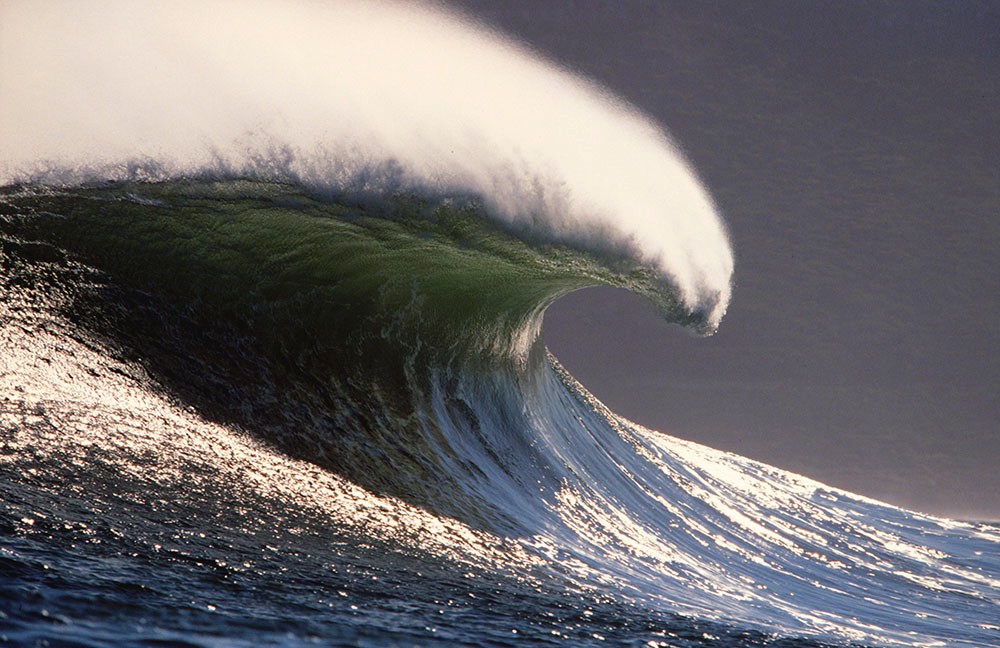
  • A perfect wave breaks on the Cape Town outer reef known as Sunset off Kommetjie, Cape Town 1998. width:1000;;height:648
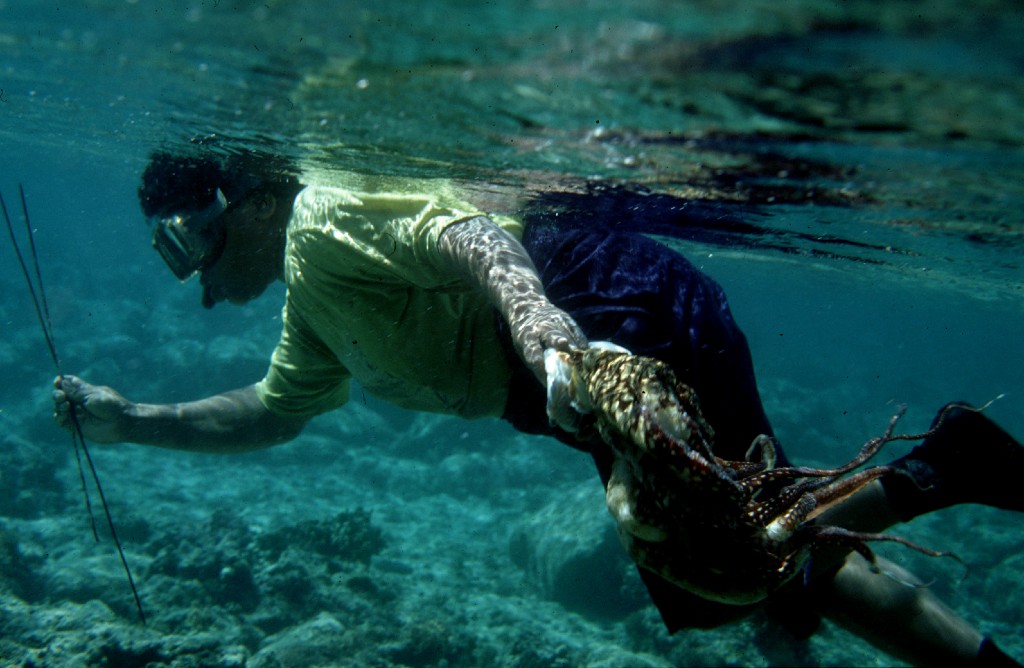
  • Octopus hunter, Fiji, 2001. width:1024;;height:668
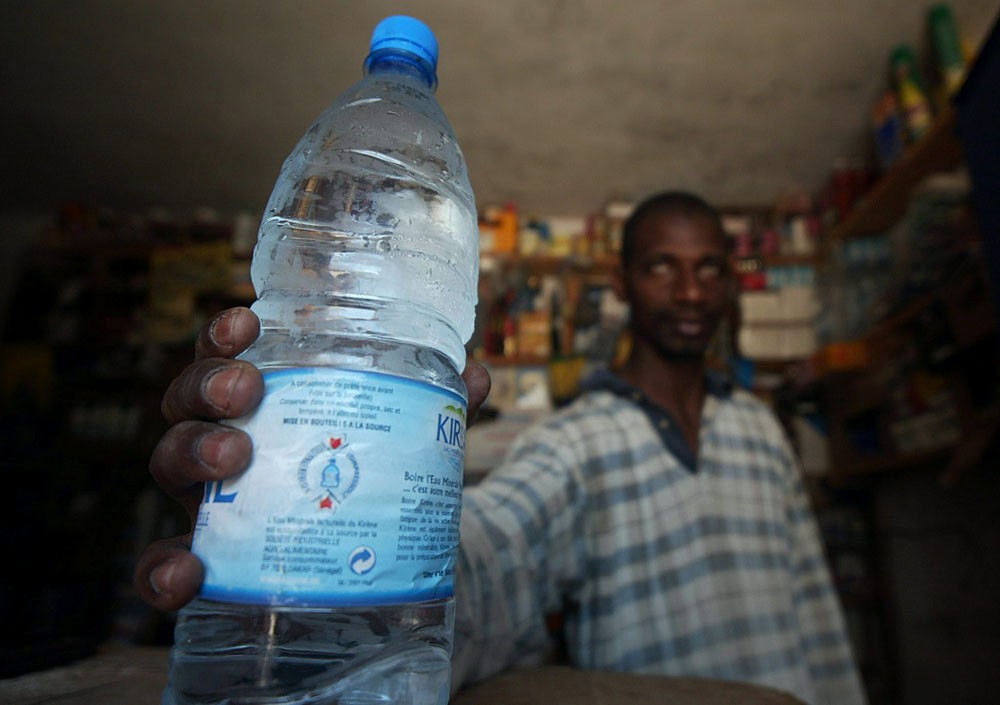
  •  A Senegalese man sells bottled drinking water from Europe at his store in Nordfoire Senegal Monday 22 March 2004. Today is international World Water Day 2004 and focuses on the theme: Water and Disasters. Tap water is not safe to drink in Senegal as with most African countries and most people rely on bottled water or boil the tap water before drinking it. There are only 14 countries in the world where the water from municipal taps is safe to drink.  width:1000;;height:705
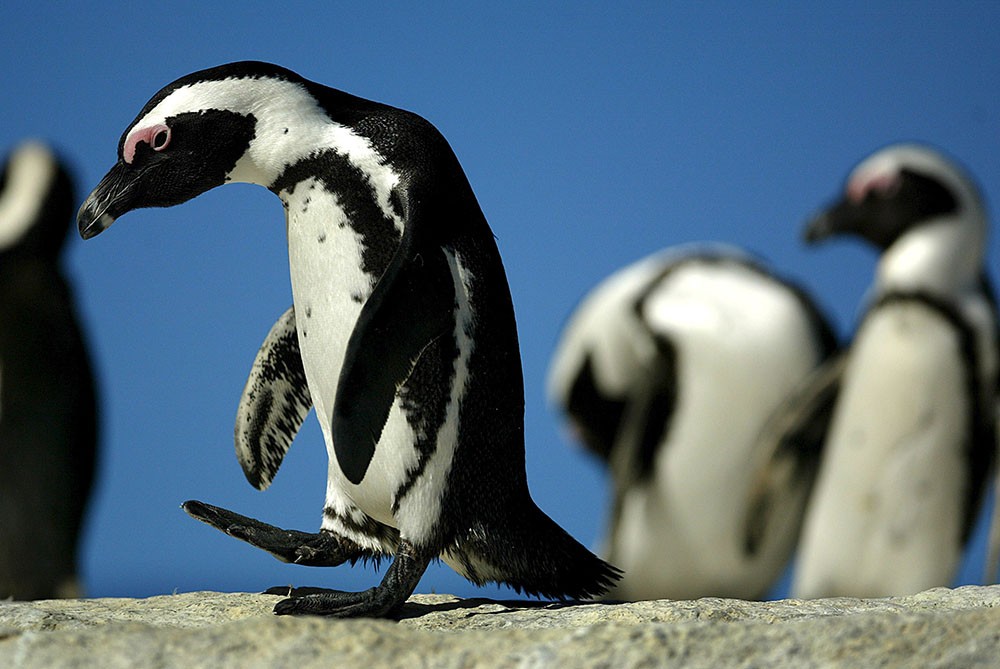
  • An African penguin walks on a rock amongst a colony of penguins in Cape Town, South Africa Wednesday 08 March 2006. The Southern African Foundation for the Conservation of Coastal Birds (SANCCOB) reports that there has been a succesful rehabilitation and re-integration of hundreds of African penguins that were found covered in oil and rescued in 2005. The source of the oil was thought to be from rouge ships captains illegally flushing bilges in Cape waters. After several months of rehabilitation they were released back into the wild. Large colonies of African penguins exist around the Cape and are a uniqe tourist attraction due to their calm nature around humans. width:1000;;height:669
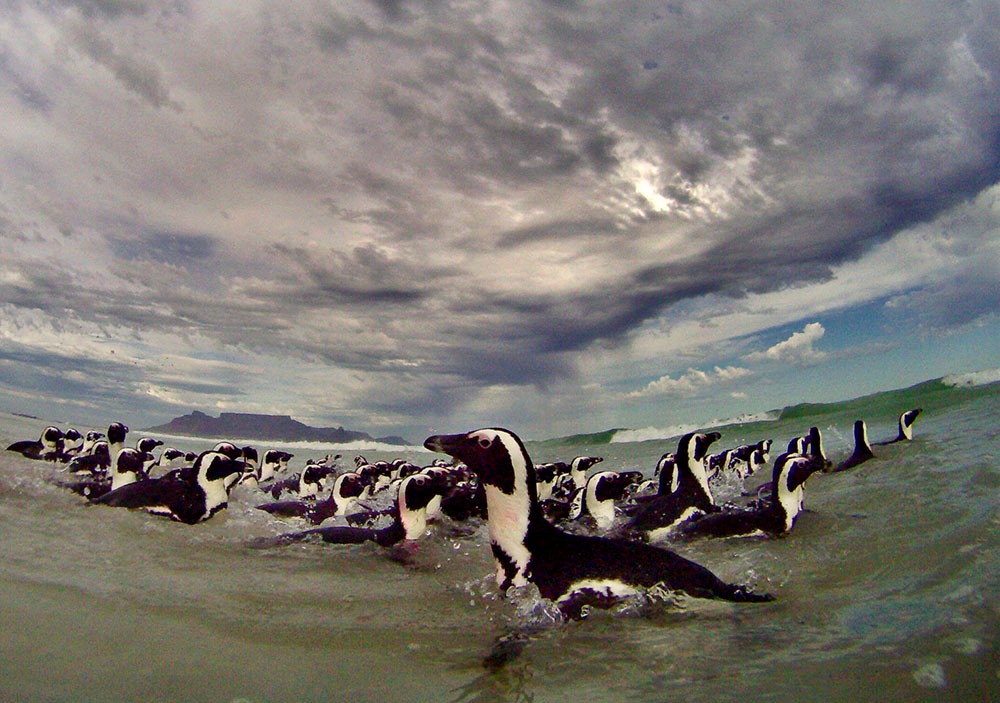
  • Eighty four  African penguins swim in the Atlantic Ocean after being released following their rehabilitation at the Southern African Foundation for the Conservation of Coast birds (SANCCOB) in Cape Town, South Africa 21 May 2009. 129 oiled African penguins were rescued from the islands along the southern Namibian coastline following an unidentified oil spill and transported to SANCCOB in the first ever cross border penguin rescue world wide. 84 of the penguins have completed the rehabilitation program before being released back into the ocean.  African  penguins are listed as vulnerable to extinction on the RED DATA list and there are only 27 000 breeding pairs of these charismatic birds left, down from 4 million at the turn of the century.  width:1000;;height:703
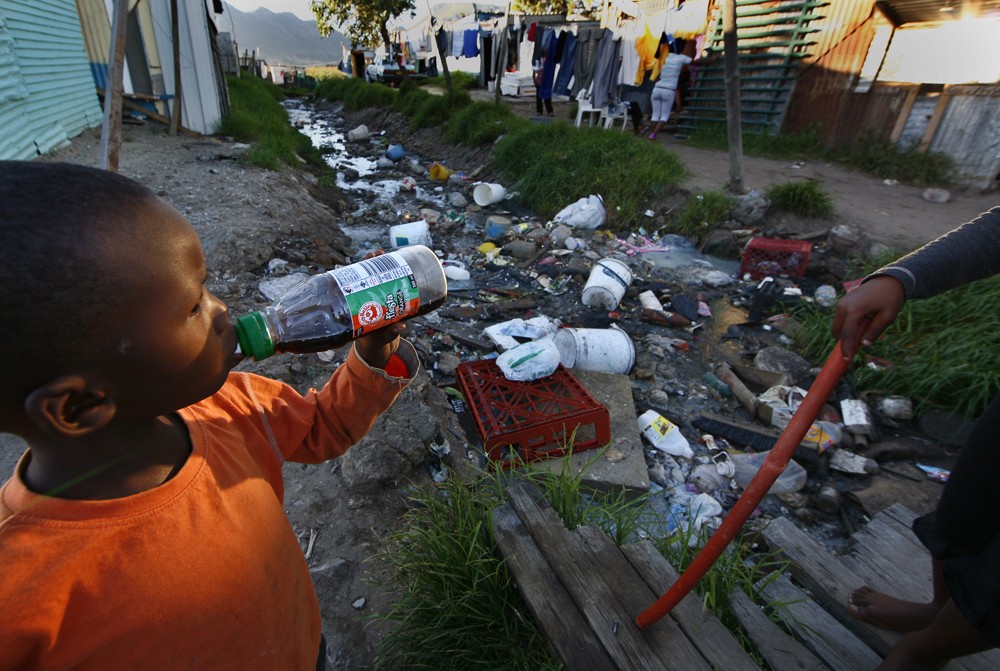
  • A South African boy drinks a soft drink next to a severely polluted river in Masiphumelele, Cape Town, South Africa 12 March 2010. The polluted and congested river runs through the residential area and the communal water collection point which poses serious health risks. Some analysts predict that by 2025 more than 1.8 billion people will  live in areas where uncontaminated water is in short supply. World Water Day is marked on 22 March 2010.  The official United Nations statement reads: ?The theme of this year?s World Water Day, ?Clean Water for a Healthy World?, emphasizes that both the quality and the quantity of water resources are at risk. More people die from unsafe water than from all forms of violence, including war. These deaths are an affront to our common humanity, and undermine the efforts of many countries to achieve their development potential.?  World Water Day has been held to celebrate freshwater annually since 1993. width:1000;;height:671
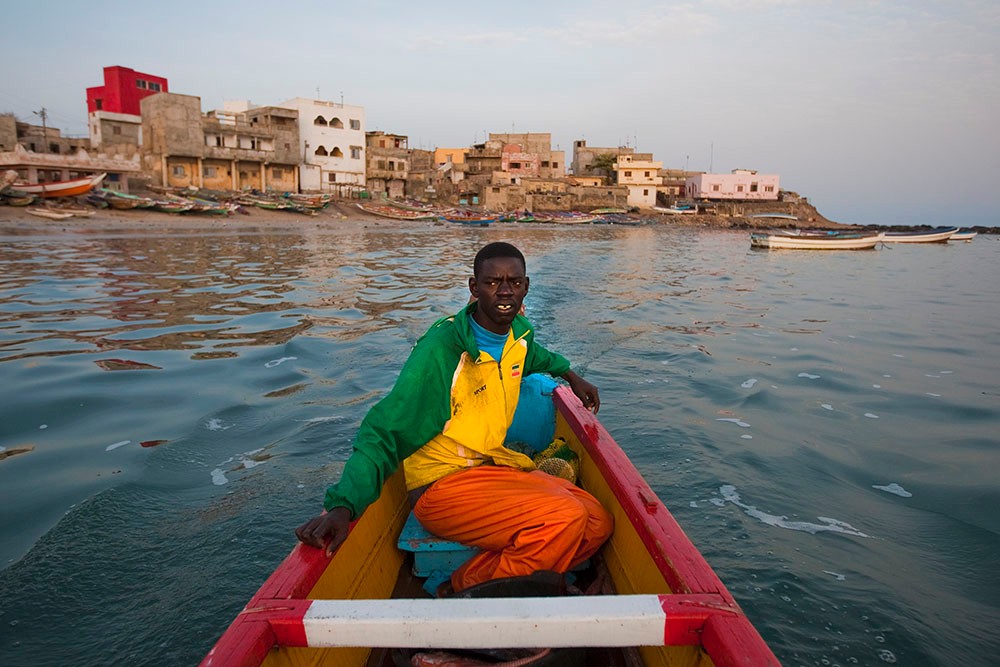
  • 30 year old Modu Samba, a fisherman from Senegal, heads out to sea from the 400 year old fishing village of Ngor, Dakar, Senegal, 14 April 2010. Heavy fishing by international companies has put great pressure on traditional fishing communities. Highlighted as one of the main causes for the lack of fish today is the deals that have been struck over the last 50 years between the governments of West African nations and the countries owning large fishing fleets from Europe and Asia. These deals have benefitted the West African governments financially but not the people they govern. The foreign countries enjoying the fertile fishing grounds have been accused of overexploiting the resources and ultimately depleting the fishing stocks once the livelihood of the artisanal fishermen. Often in traditional fishing communities, fish are an important food source, and fishing is a way of life and basis for local cultures. As fish populations decline, stocks move offshore, making them inaccessible to small-scale, artisanal fishermen who do not have equipment to access offshore stocks.  width:1000;;height:667
  • A dolphin leaps out the Atlantic ocean in Table Bay, Cape Town, South Africa.  width:1000;;height:718
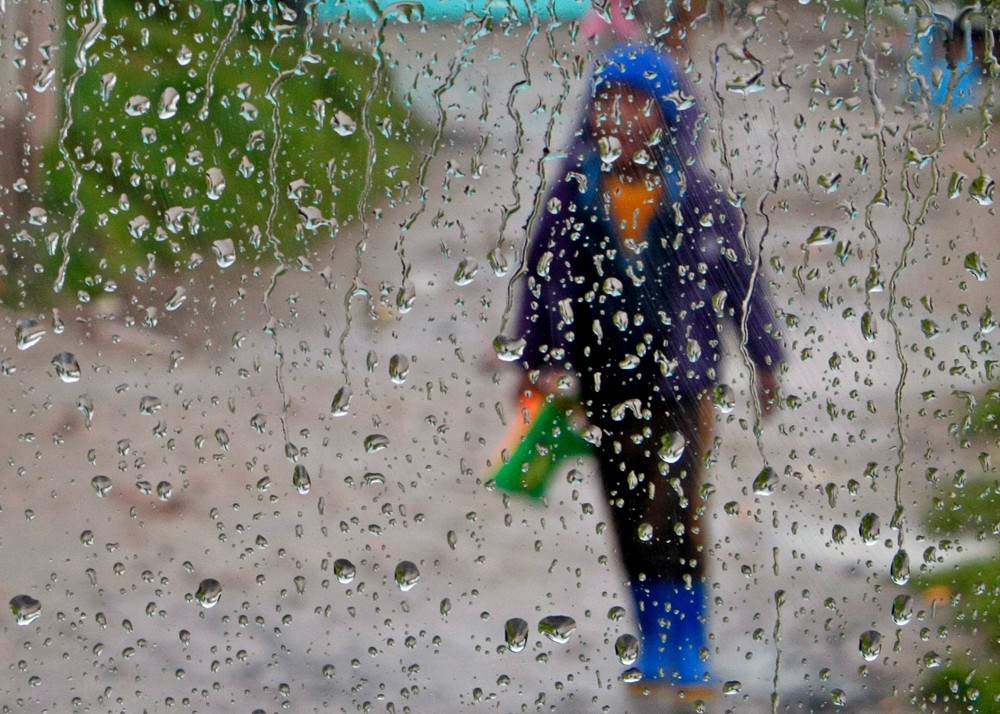
  • A South African boy walks through the rain in the informal shack settlement of Masiphumelele outside Cape Town, South Africa.  width:1000;;height:714
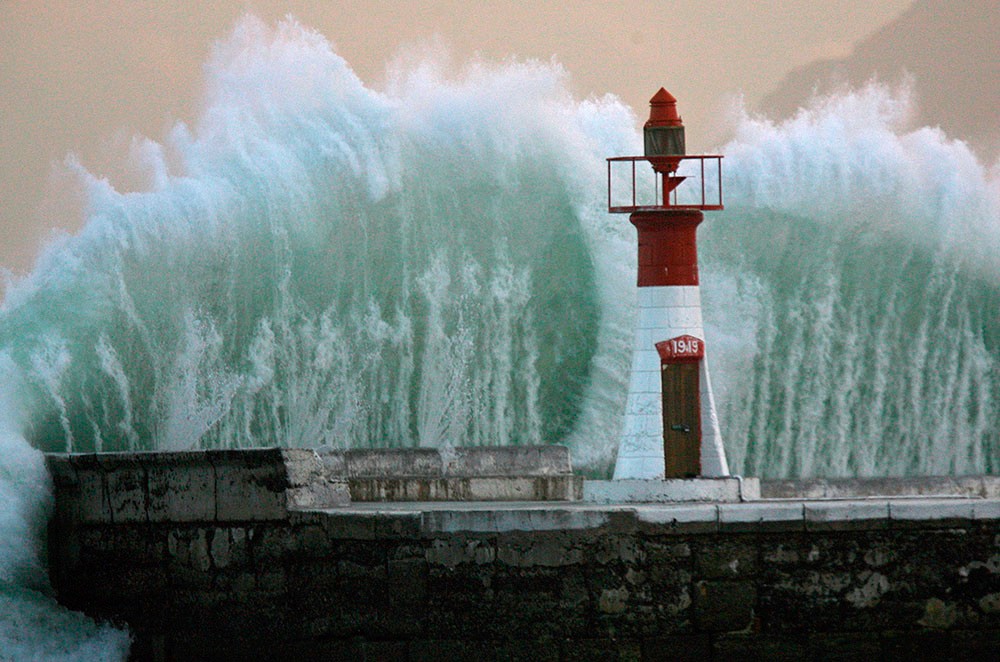
  • A massive wave breaks over Kalk Bay harbour wall in Cape Town, South Africa. width:1000;;height:662
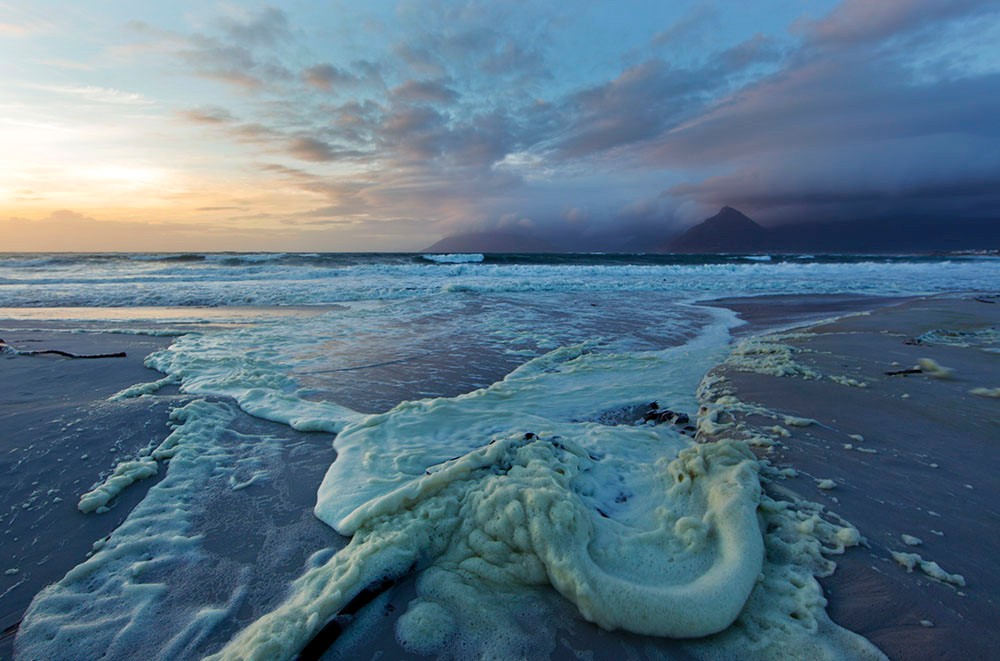
  • Sea foam caused by a churned up ocean due to high winds and rough seas washes up the beach in Kommetjie, South Africa, 23 May 2011. Gale force winds and high seas have been lashing the Western Cape coast following the onset of winter cold fronts.  width:1000;;height:661
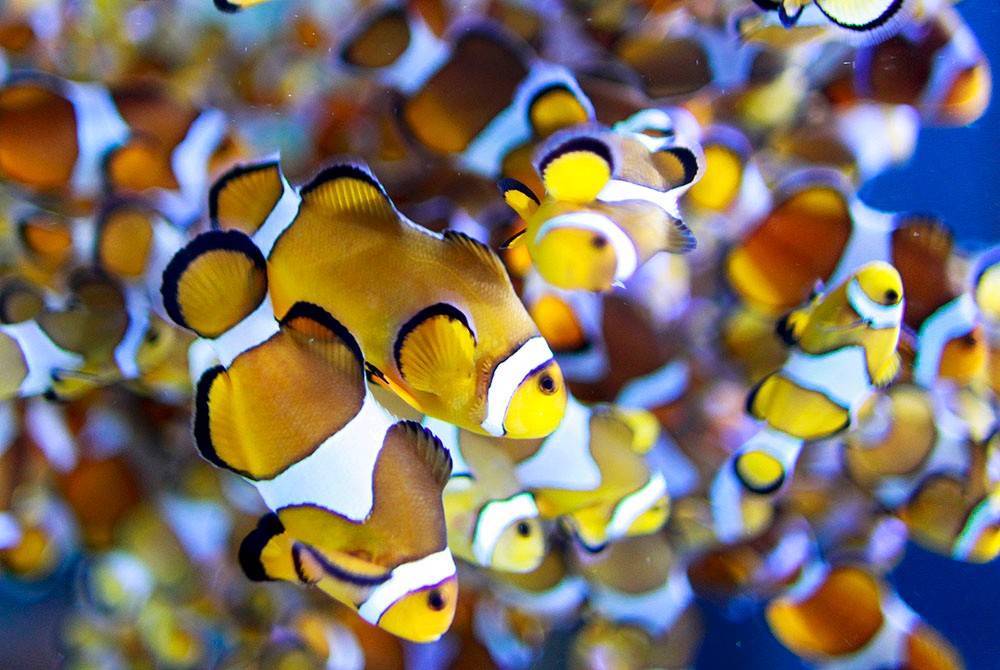
  • Clownfish swim at the Two Oceans Aquarium in Cape Town, South Africa 01 August 2011. Clownfish are native to warmer waters of the Indian and Pacific oceans, including the Great Barrier Reef and the Red Sea. Clownfish and sea anemones have a symbiotic relationship each providing a number of things to benefit the other. The sea anemone protects the clownfish from predators, as well as providing food through the scraps left from the anemone's meals. In return, the clownfish defends the anemone from its predators, and cleans it from parasites. width:1000;;height:670
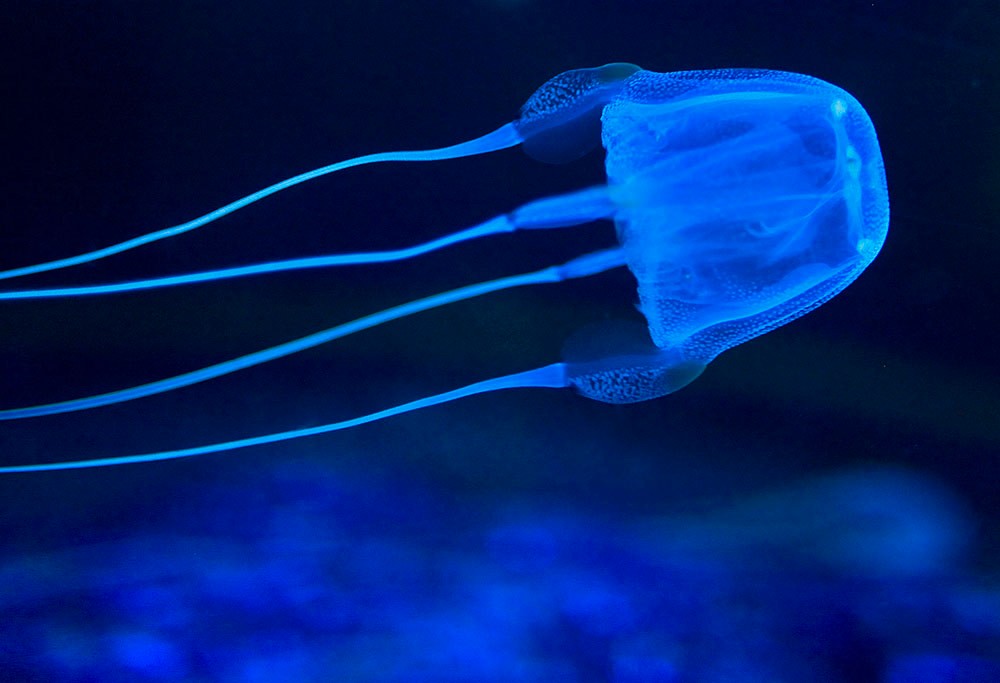
  • A Box Jellyfish swims at the Two Oceans Aquarium in Cape Town, South Africa 01 August 2011. Box Jellyfish occur off the West coast of South Africa and are often encountered in swarms by scuba divers. These Jellyfish have strong tentacles armed with thousands of stinging cells called Nematocysts. The cells are used to stun and kill prey which is then pulled into the mouth by the tentacles.  width:1000;;height:683
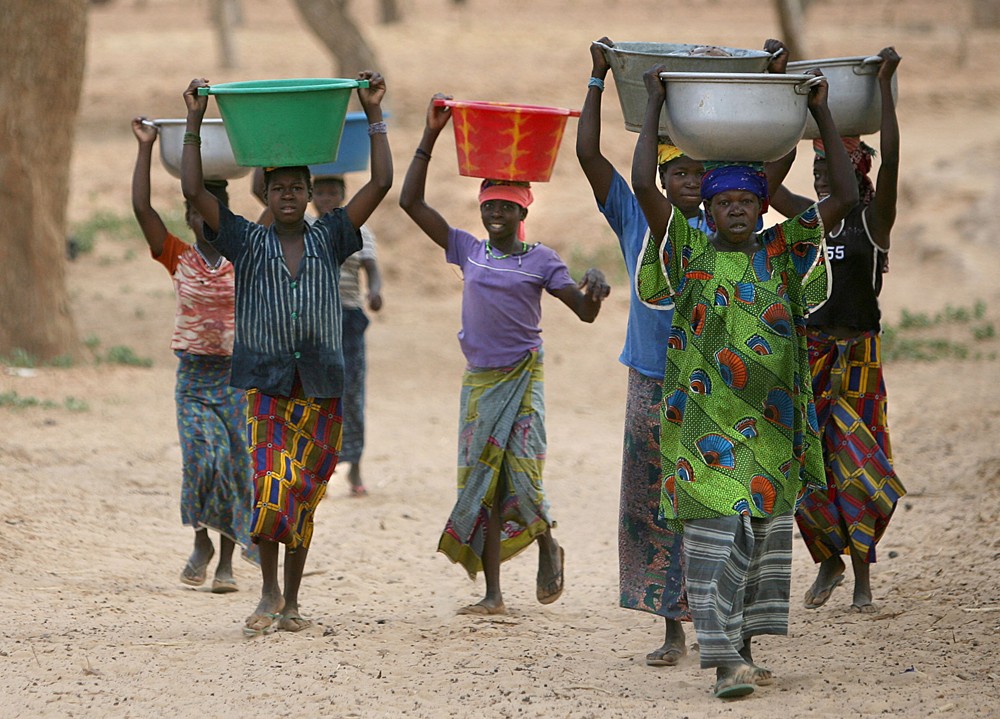
  • Dogon women carry water from a well  to the village of Teli in Dogon country, Mali 30 April 2007.  The Dogon people of Mali are one of Africa's oldest and most complex tribes with their traditions and customs well preserved and practiced today as they were thousands of years ago. 09 August 2007 is International Day of the World's Indigenous People. width:1000;;height:719
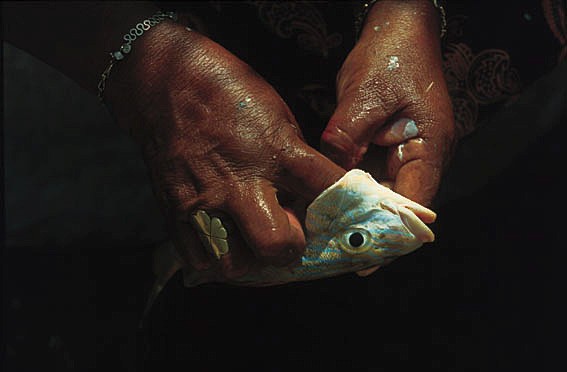
  • A woman from the San Blas Islands guts a fish, Panama 2001. width:567;;height:372
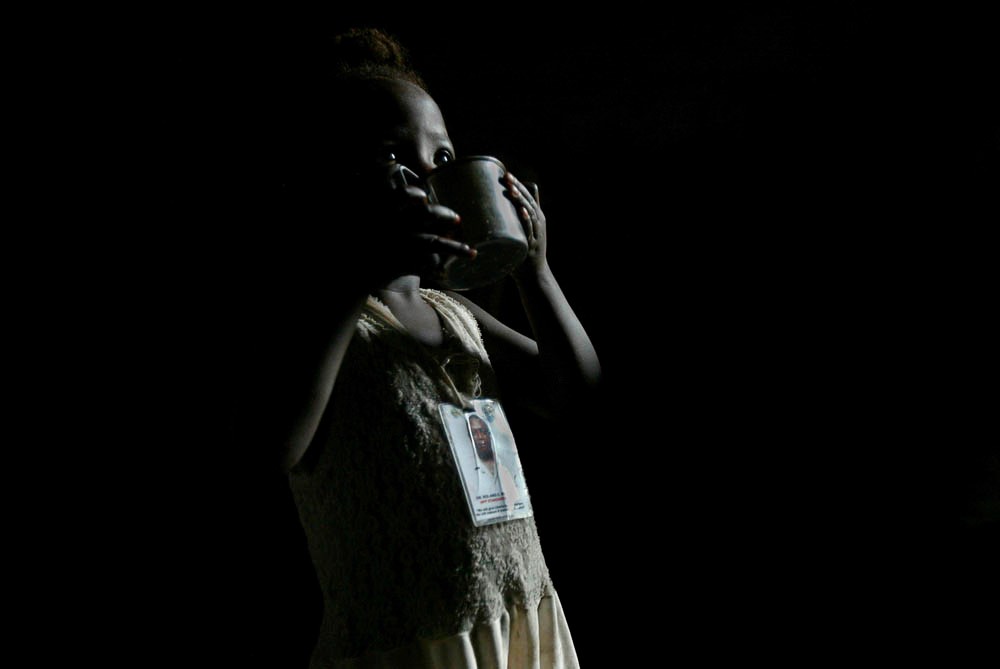
  • An internall displaced Liberian girl, daughter of an ex-government soldier, takes a drink of water in the overcrowded and delapidated government building for disarmed soldiers on the outskirts of Monrovia, Liberia Saturday 08 October 2005. This image was part of a portfolio placed  runner-up in the feature category for EPA West Africa chief photographer Nic Bothma in the 2005 Fuji Africa Press Awards anounced Thursday 17 August 2006.  width:1000;;height:669
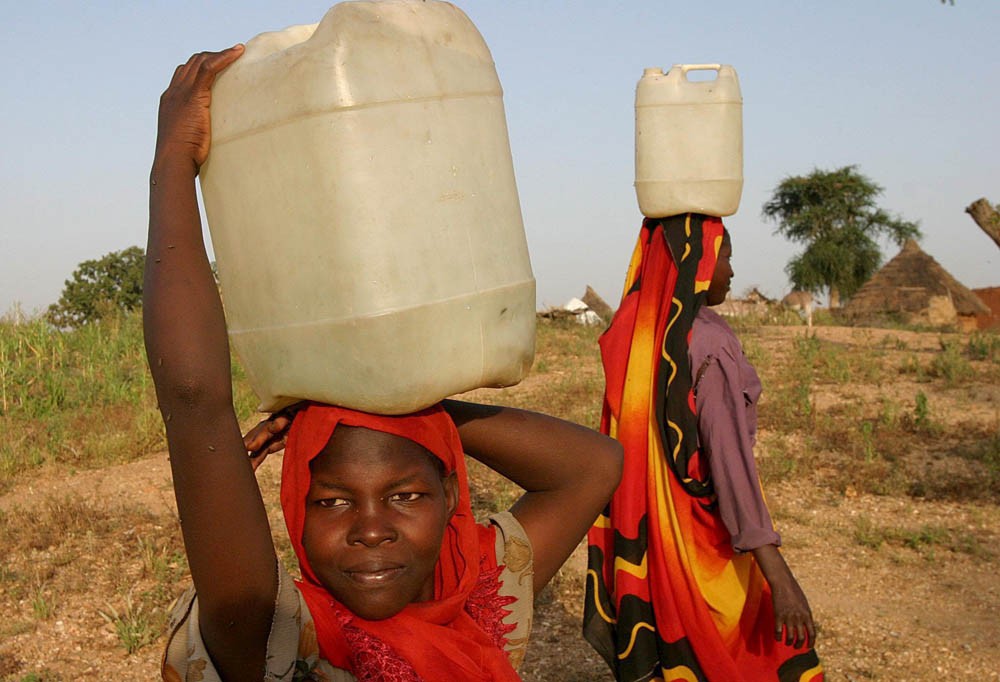
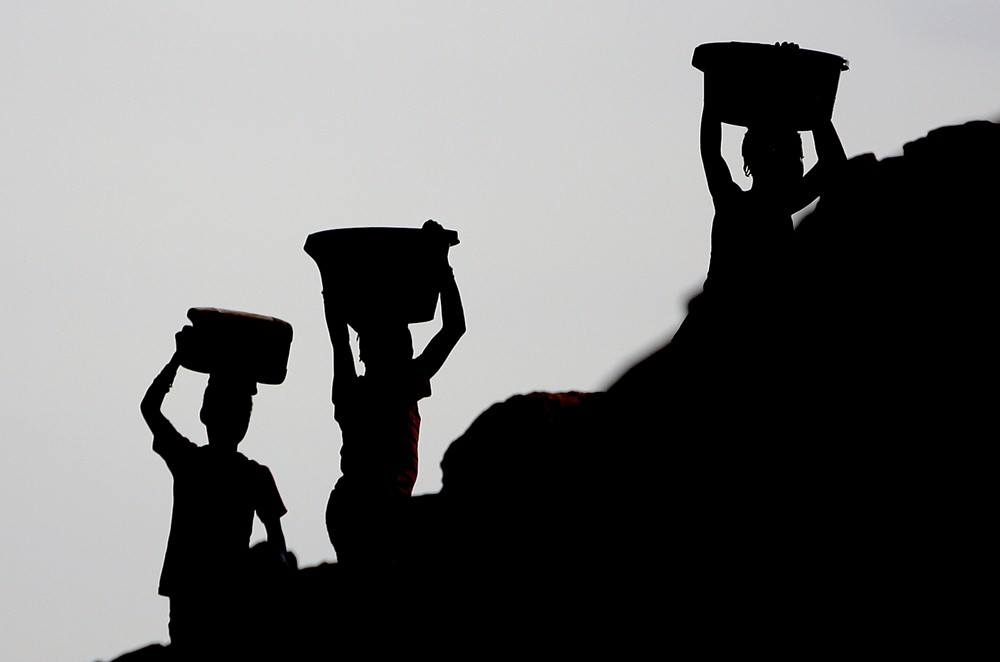
  • Sudanese IDP's (internally displaced people) carry 25 litres of water each on their heads filled at a water point 1km from their camp in the remote village of Muhkjar in West Darfur, Sudan Sunday 17 October 2004. Water is a serious concern for IDP's and aid organisations in Darfur who are attempting to cope with the vast numbers of IDP's and their needs in the overcrowded camps. UNICEF is providing water treatment so that it is safe to drink. The violence in Sudan's Darfur region has driven more than 1.5 million people from their homes and created what the United Nations calls one of the world's worst humanitarian crises.  width:1000;;height:682
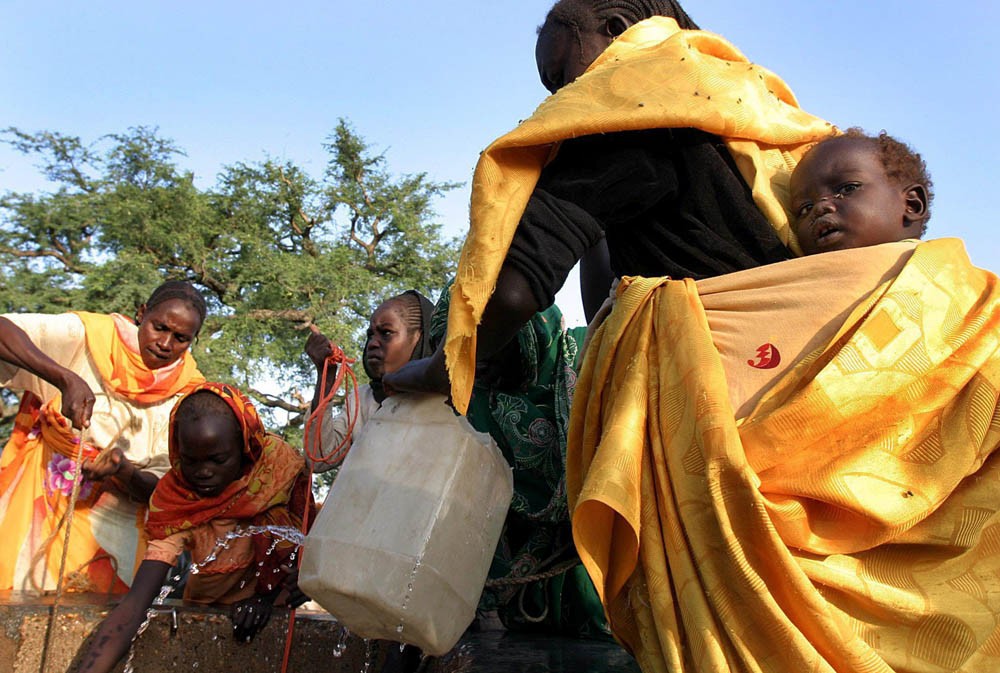
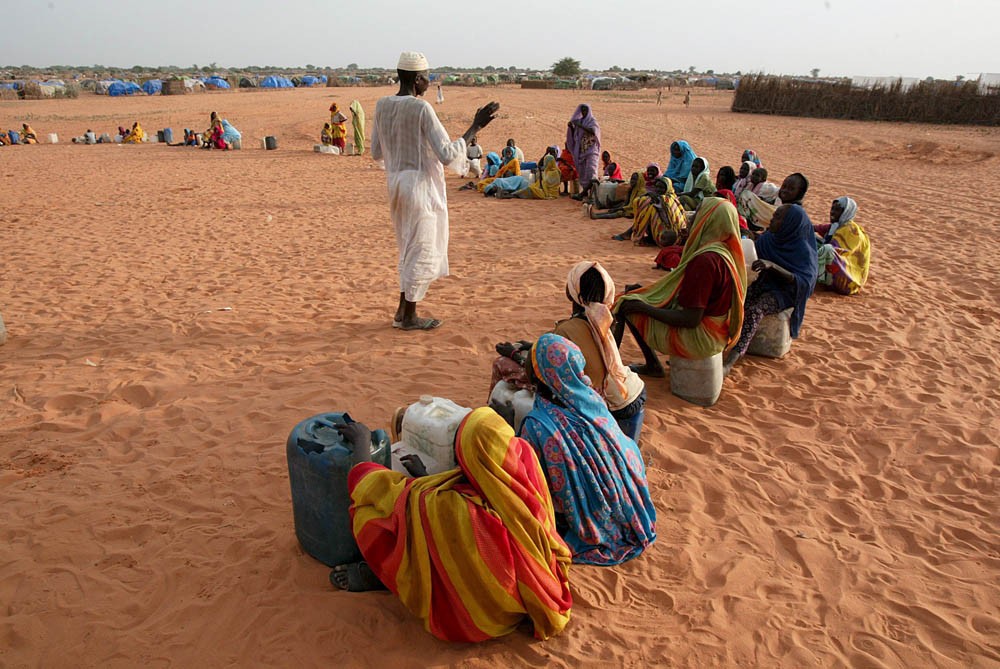
  • Sudanese IDP's (internally displaced people) gather at a water point 1km from their camp in the remote village of Muhkjar in West Darfur, Sudan Sunday 17 October 2004. Water is a serious concern for IDP's and aid organisations in Darfur who are attempting to cope with the vast numbers of IDP's and their needs in the overcrowded camps. UNICEF is providing water treatment so that it is safe to drink. The violence in Sudan's Darfur region has driven more than 1.5 million people from their homes and created what the United Nations calls one of the world's worst humanitarian crises.  width:1000;;height:673
  • A South African woman carries 20 litres of clean water filled from a communal tap in the impoverished suburb of Masiphumelele in Cape Town, South Africa, Wednesday 22 March 2006. A United Nations (UN) report presented at the World Water Forum being held in Mexico concludes Africa's water systems need an annual investment of approximately 20 billion US dollars over the next two decades as 300 million Africans lack access to safe drinking water. The UN added that failed policies are the main reason why around 20 percent of the world's population lack access to clean water. The World Water Forum in Mexico ends today which is World Water Day with this years theme of 'Water and Culture'. width:1000;;height:669
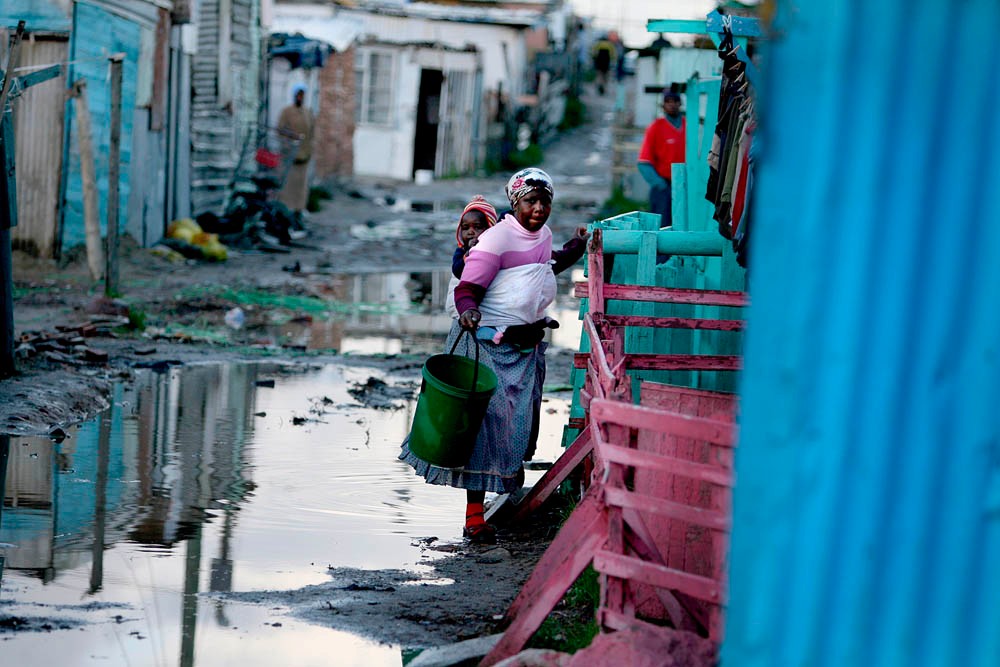
  •  A South African woman carrying her baby and a bucket of drinking water walks along a flooded road in the impoverished informal settlement of Lotus outside Cape Town, South Africa 21 May 2007. More than 800 people were displaced from their flooded shacks as torrential rains and gale force winds wreaked havoc across the Western Cape over the weekend in the wake of a powerful storm.The cold and windy weather  is set to continue through the week according to South African meteorologists who forecast more cold fronts will sweep over the country in the next few days.  width:1000;;height:667
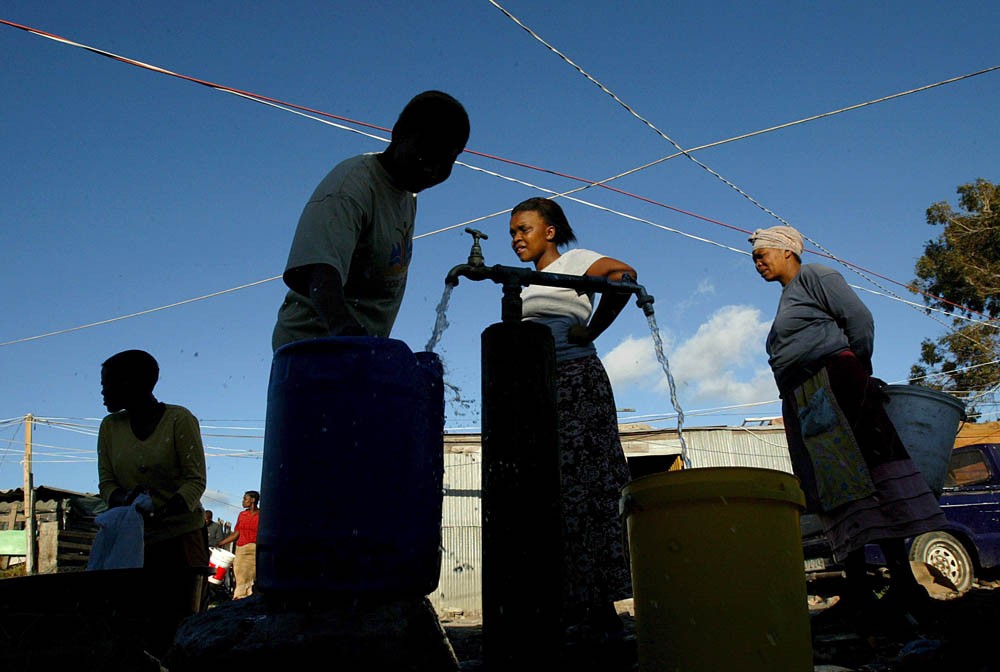
  • South African women collect water from a communal tap in the impoverished suburb of Masiphumelele in Cape Town, South Africa Wednesday, 22 March 2006. A United Nations (UN) report presented at the World Water Forum being held in Mexico concludes Africa's water systems need an annual investment of approximately 20 billion US dollars over the next two decades as 300 million Africans lack access to safe drinking water. The UN added that failed policies are the main reason why around 20 percent of the world's population lack access to clean water. The World Water Forum in Mexico ends today which is World Water Day with this years theme of 'Water and Culture'.  width:1000;;height:672
  • Sudanese Internally Displaced (IDP) woman  are instructed to sit and wait for water by an aid official in Muhajiriyah IDP camp, home to more than 40 000 refugees in Darfur, Sudan 21 October 2004. Speaking on Sunday 07 May 2006, Jan Egeland, the UN's top humanitarian official, said it is vital that UN peacekeepers are allowed into Sudan's Darfur region to assist in ending the humanitarian crisis. This as he begins a tour to Darfur to assess conditions there and in refugee camps in neighbouring Chad.The government of Sudan and the main Darfur rebel faction, the SLA, signed a peace agreement in Abuja, Nigeria on Friday 06 May 2006 after weeks of intense negotiations hoping to end the three years of fighting which has killed about 200,000 and  left about two million homeless.  width:1000;;height:669
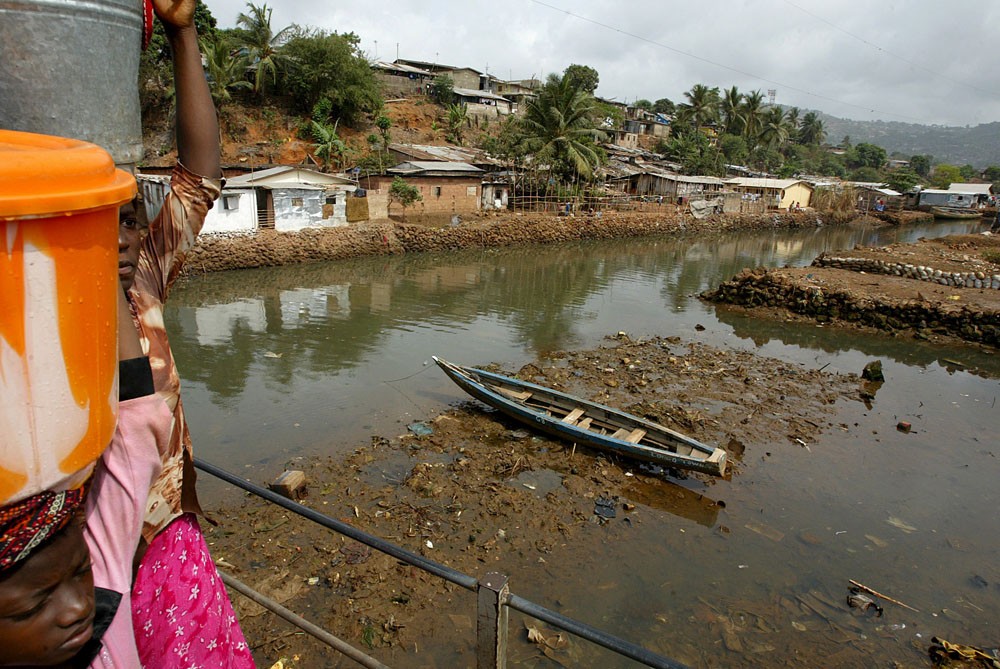
  • Girls from Sierra Leone carry drinking water across a bridge in Freetown, Sierra Leone Thursday 06 April 2006. Charles Taylor the former Liberian leader who is accused of backing a rebel group that  cut off limbs,mutilated and raped thousands of civilians in Sierra Leone,  pleaded not guilty to 11 counts of crimes against humanity at the Special court in Sierra Leone on Monday 03 April 2006. The descision to move Taylor's trial to the Hague is still pending. Freetown was founded in 1787 for the re-settlement of freed slaves after the British philanthropist Granville Sharpe published in 1786 his proposal to re-settle slaves back to Africa.  width:1000;;height:669
  • Dogon women carry water in buckets carried on their heads up a steep hill to the mountain top village of Begnemato in Dogon country, Mali 30 April 2007.  The Dogon people of Mali are one of Africa's oldest and most complex tribes with their traditions and customs well preserved and practiced today as they were thousands of years ago. 09 August 2007 is International Day of the World's Indigenous People.  width:1000;;height:662
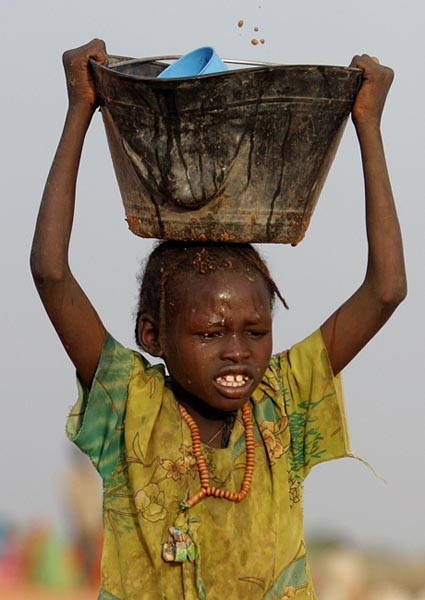
  • A Sudanese girl IDP (Internally displaced person) carries water from a water distribution point to her shack in Muhajiriyah IDP camp home to more than 35 000 IDP's in the SLA (Sudan Liberation Army) controlled area of South Darfur, Sudan, Thursday 21 October 2004.<br /> width:425;;height:600
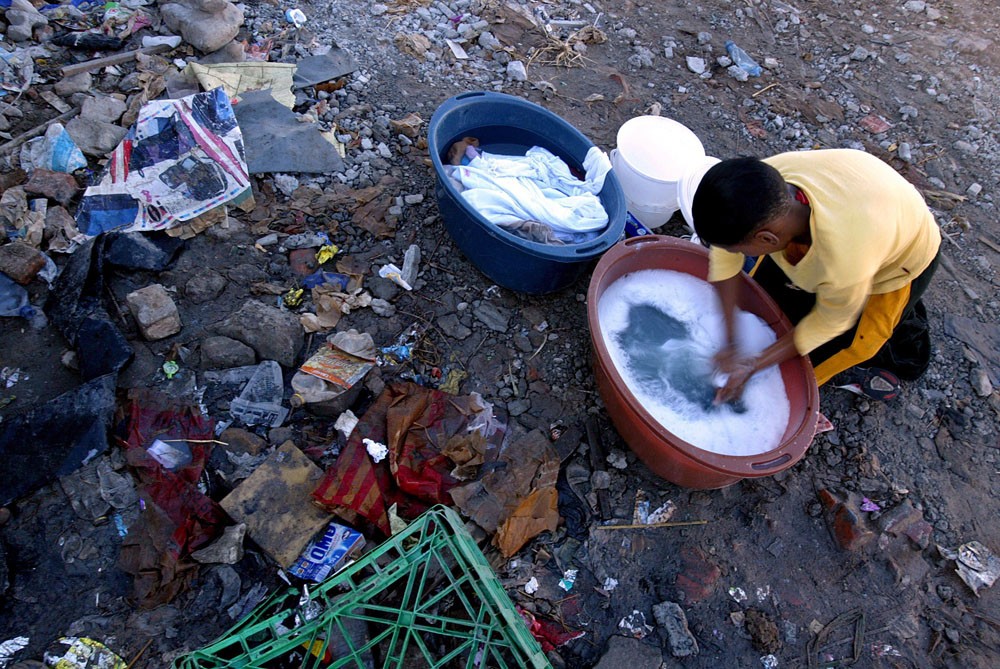
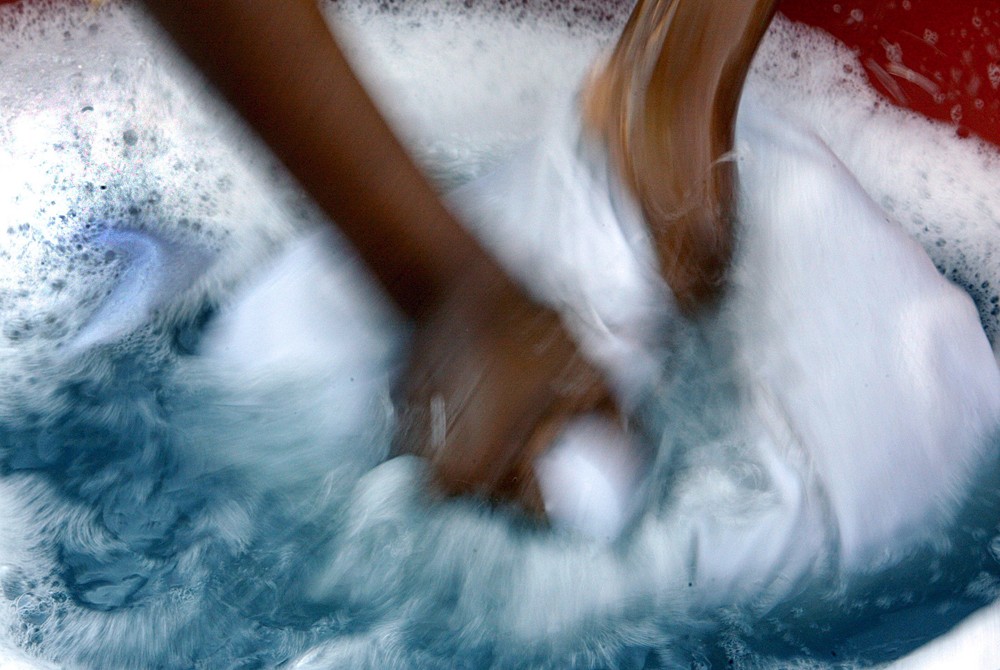
  • A South African woman hand washes clothes with water from a communal tap in the impoverished suburb of Masiphumelele in Cape Town, South Africa Wednesday 22 March 2006. A United Nations (UN) report presented at the World Water Forum being held in Mexico concludes Africa's water systems need an annual investment of approximately 20 billion US dollars over the next two decades as 300 million Africans lack access to safe drinking water. The UN added that failed policies are the main reason why around 20 percent of the world's population lack access to clean water. width:1000;;height:669
  • A South African woman hand washes clothes in a bucket with water from a communal tap in the impoverished suburb of Masiphumelele in Cape Town, South Africa, Wednesday 22 March 2006. A United Nations (UN) report presented at the World Water Forum being held in Mexico concludes Africa's water systems need an annual investment of approximately 20 billion US dollars over the next two decades as 300 million Africans lack access to safe drinking water. The UN added that failed policies are the main reason why around 20 percent of the world's population lack access to clean water. width:1000;;height:670
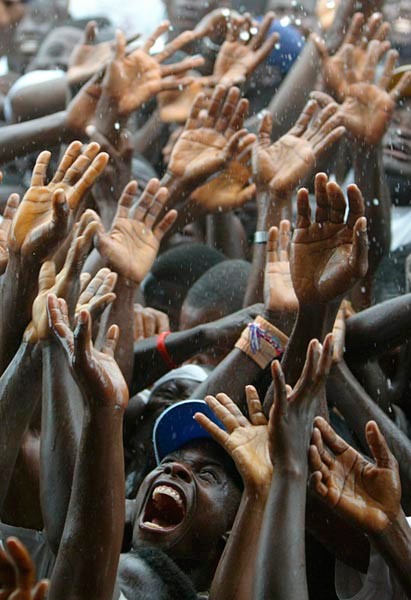
  • Thousands of Liberians scream for water at a mass rally for their presidential candidate and football star George Weah in Monrovia, Liberia Saturday 08 October 2005. This image was part of a portfolio that won best news portfolio of 2005 for EPA West Africa chief photographer Nic Bothma in the Fuji Africa Press Awards anounced Thursday 17 August 2006.  width:411;;height:600
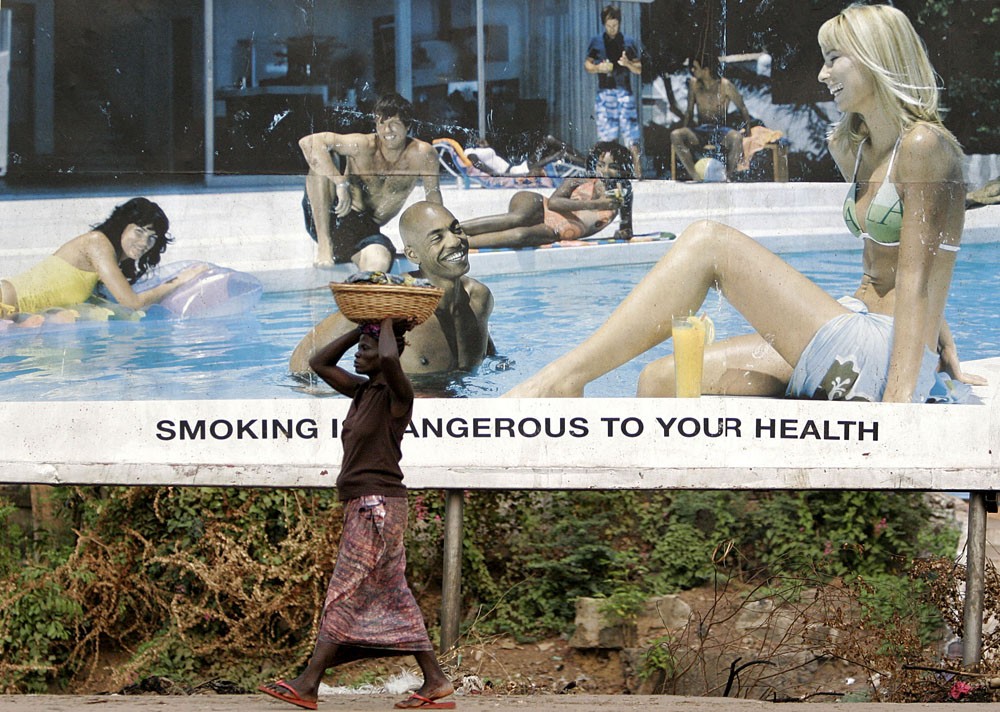
  • A woman from Sierra Leone walks past a billboard in Freetown, Sierra Leone Sunday 02 April 2006. Charles Taylor the former Liberian president is locked up behind tight security and will appear before the special court in Sierra Leone Monday 03 April to make his plea against 11 counts of crimes against humanity in the impoverished nation still recovering from years of destruction during the civil war. width:1000;;height:712
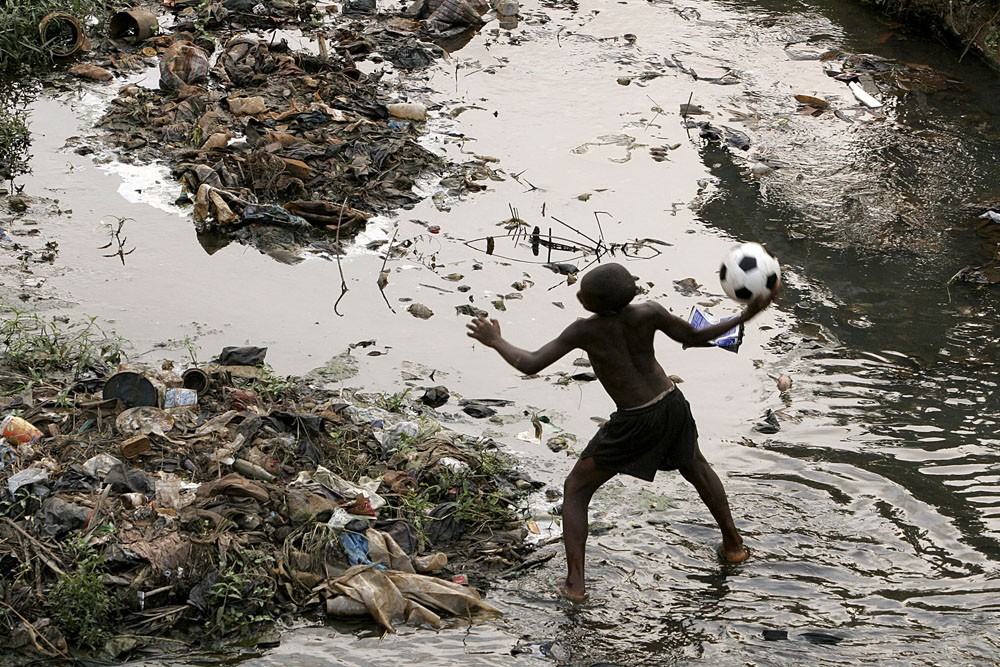
  • A boy retrieves a football from a polluted river in Freetown, Sierra Leone Sunday 02 April 2006. Charles Taylor the former Liberian president is locked up behind tight security and will appear before the special court in Sierra Leone Monday 03 April to make his plea against 11 counts of crimes against humanity in the impoverished nation still recovering from years of destruction during the civil war. width:1000;;height:667
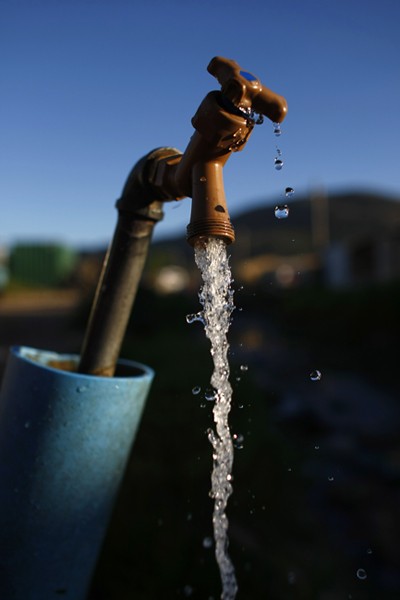
  • Clean drinking water runs from a communal clean water source next to a contaminated river in Masiphumelele, Cape Town, South Africa 12 March 2010. South Africa is one of the few countries in the world which still has clean drinking water on tap. The communal taps in many poor areas are often near contaminated water and pose serious health risks. Some analysts predict that by 2025 more than 1.8 billion people will  live in areas where uncontaminated water is in short supply.  width:400;;height:600
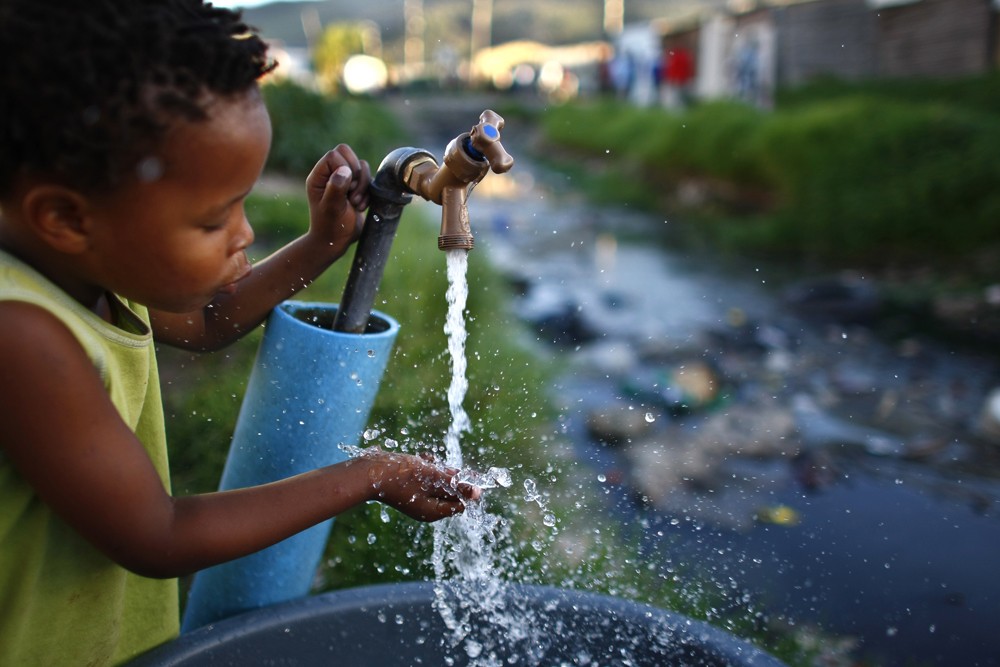
  •  A South African boy drinks water from a communal clean water source next to a contaminated river in Masiphumelele, Cape Town, South Africa 12 March 2010. The communal taps in many poor areas are often near contaminated water and pose serious health risks. Some analysts predict that by 2025 more than 1.8 billion people will  live in areas where uncontaminated water is in short supply. World Water Day is marked on 22 March 2010.  width:1000;;height:667
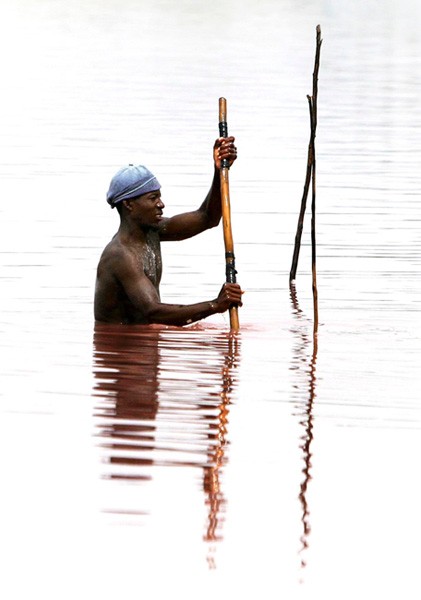
  • A Senegalese salt miner scrapes the bottom to gather salt from Lac Rose (Pink Lake) in Senegal, Thursday 24 February 2005. Senegal produces around 350,000 metric tons of salt every year, more than 80% of which is exported to some 15 countries in Western and Central Africa.  Most of that production comes from small producers of the Lac Rose. The Lake is pinkish in colour due to the presence of micro-organisms and the strong mineral concentration. The Lake provides a livelyhood for a large community of salt miners. The men scrape and gather salt deposited on the bottom and scoop it into boats. Then women carry the salt to the shores. Collected salt is sold with intermediaries who market it downtown. width:421;;height:600
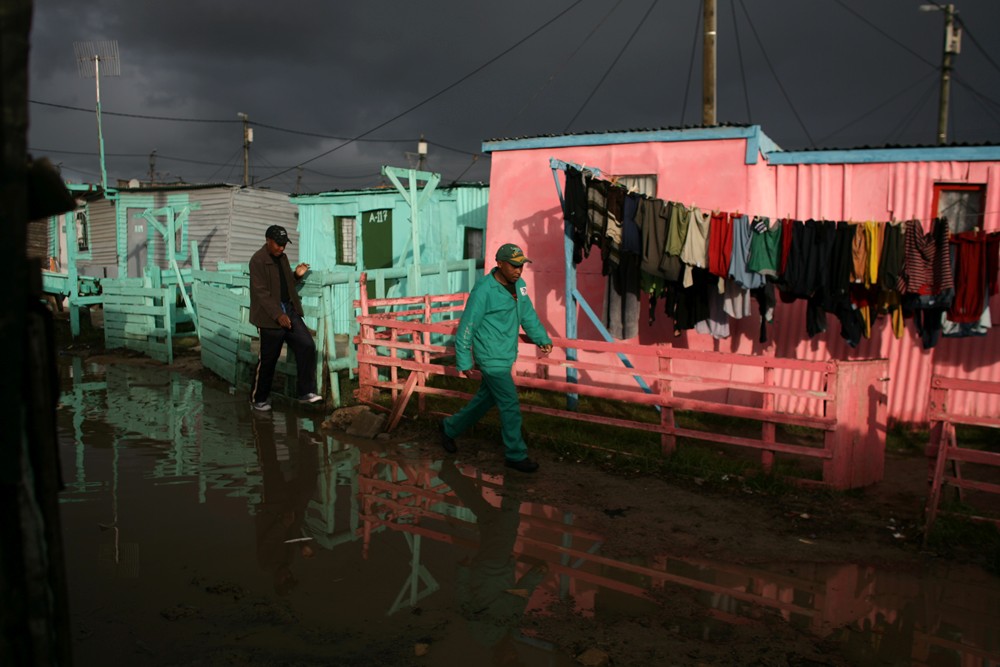
  • South African men walk along a flooded street in Nyanga, Cape Town 2006. width:1000;;height:667
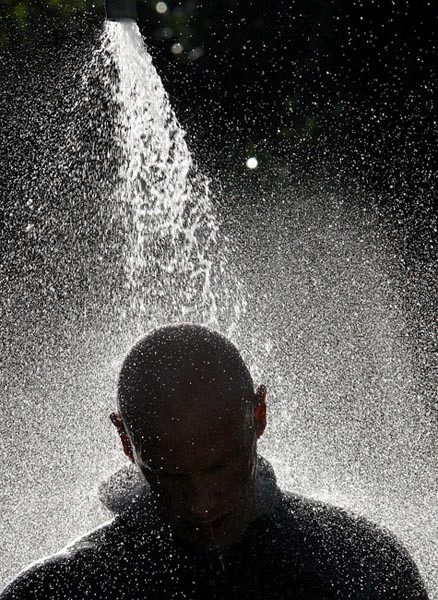
  • A South African surfer showers under fresh water at Llandudno beach, Cape Town 04 June 2003. South Africa is one of only 14 countries in the world where the water from municipal taps is safe to drink and taps and showers are abundant in built up areas.<br /> width:438;;height:600
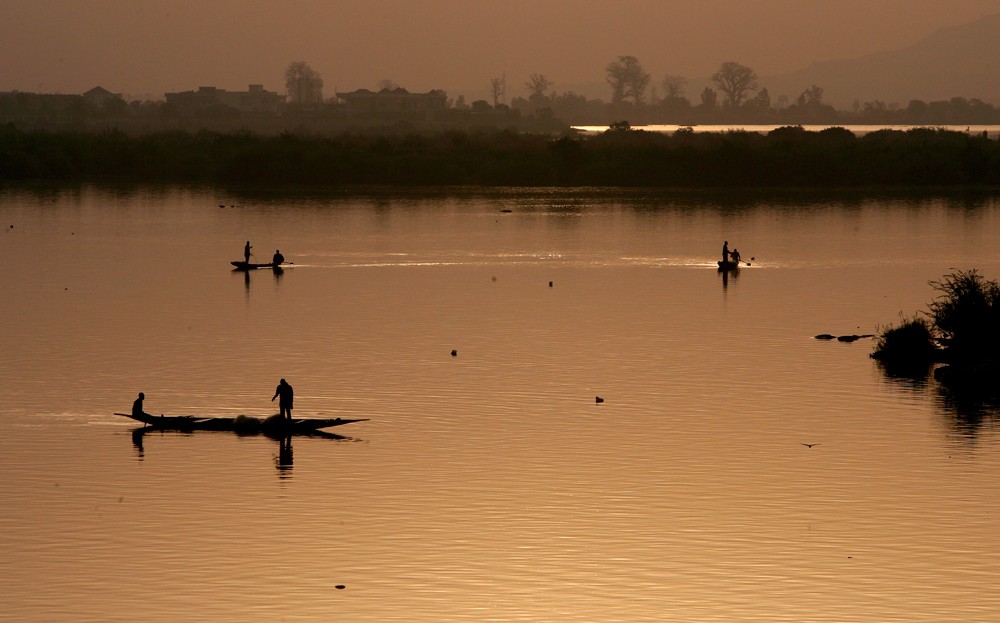
  • Malian fishermen work from their pirogues at dawn in the Niger river, Africa's third longest river, in the capital Bamako, Mali 27 April 2007.  Mali, twice the size of France, is one of the world's poorest countries ranking 175 out of 177 in the United Nations Development Programme human development report. Eight candidates, including one woman and the current head of state Amadou Toumani Toure are seeking to win presidential elections on 29 April 2007. width:1000;;height:623
  • A Sudanese couple watch the sunset on the banks of the river Nile in Khartoum, Sudan Sunday 10 October 2004.<br /><br /> width:1000;;height:671
Scroll right